When you start looking for ways to build a new website or e-shop, you’ll find offers from all over the world. Which one to choose? Where to start?
First, you need to think about what you want from your new website, what your needs are and what your options are. Secondly, find a competent web developer who can help you to clarify your issues and explain the different options for building your website.
Broadly speaking, there are two ways of making a website: template and custom.
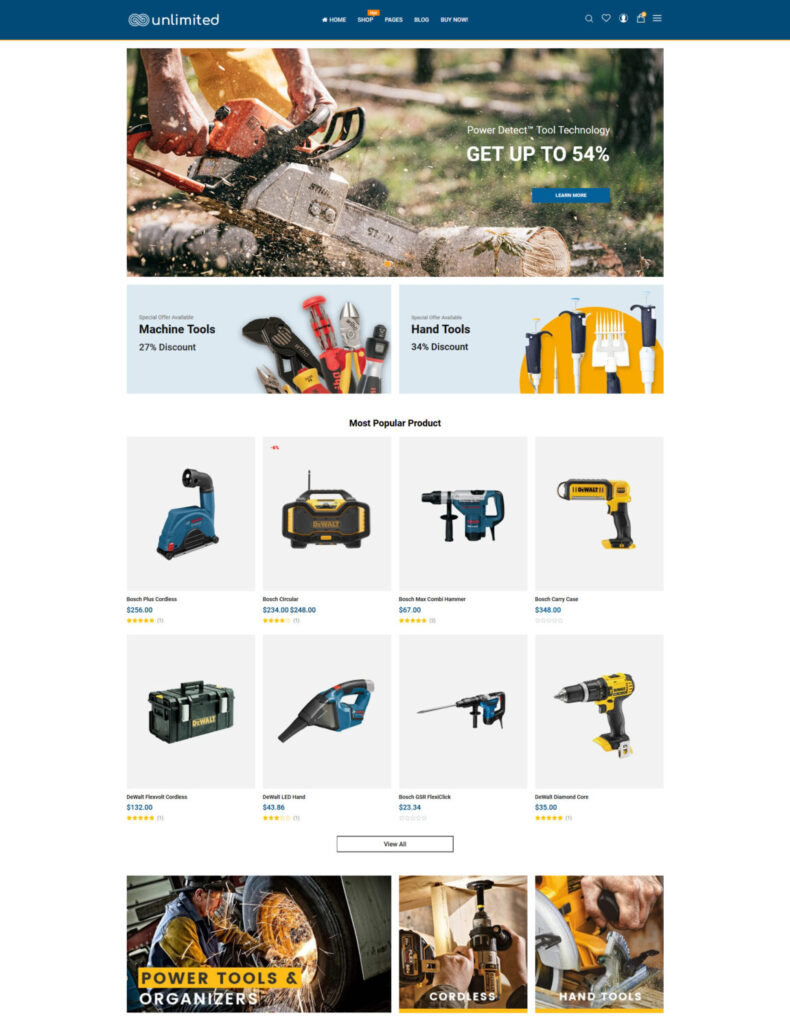
Template lahendus on nö valmislahendus. Template on põhi, mida kasutatakse uue lehe tegemisel. Kodulehe kood ja struktuur on olemas, erandlikult muudetakse vaid tekstid, värvid, pildid.
Custom lahendus on spetsiaalselt sinu sihtkliendile arendatud leht. Kodulehe disain ja kood tehakse otsast lõpuni sihtkliendi soove, ootuseid ja vajadusi arvesse võttes.
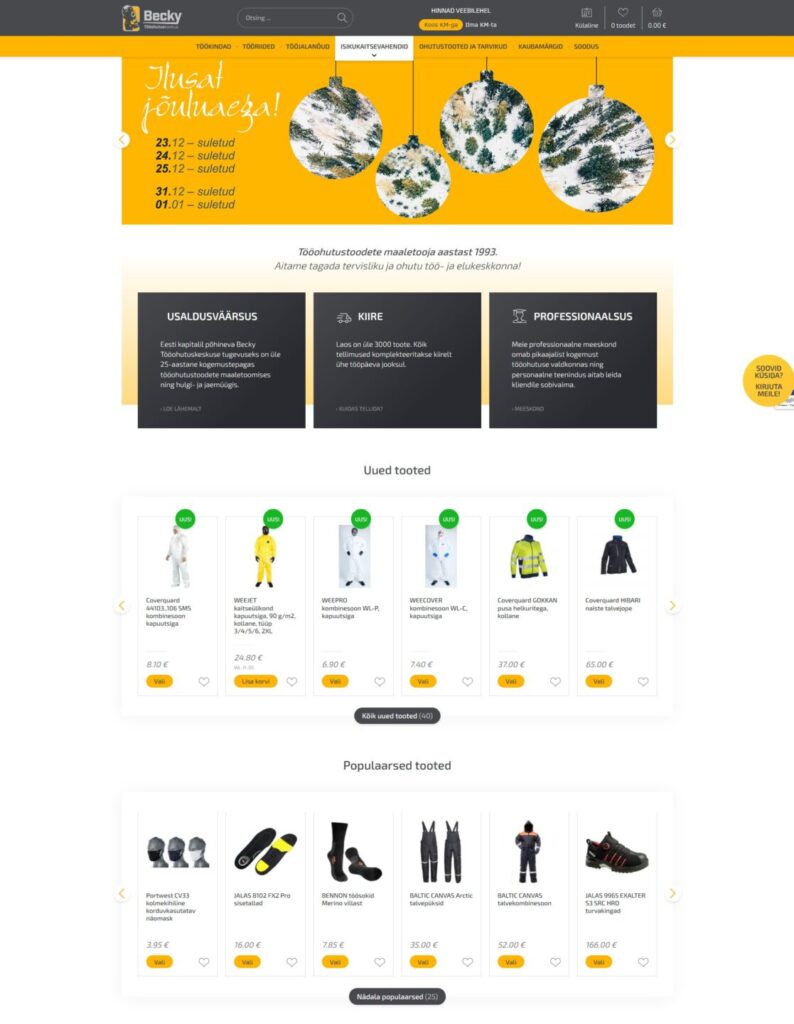
After all, looking at them both look nice! Both options work.
So what’s the difference between the two?
One of the main advantages of building a website on top of Template is that it is faster and cheaper. Many of the structural and visual options are already developed and ready to use. Insert products, images, texts and publish.
But what are the advantages of a custom solution?
In this post, we will focus on the reasons why and when to choose a custom solution for your e-commerce.
Branding
“The design is not just what it looks like and feels like. The design is how it works” Steve Jobs
Why is branding online important? Because people automatically associate the look and feel of your website with the quality of your business and products. A website is a big part of building trust and customer relationships.
A custom solution can create branding and visual identity more freely than off-the-shelf solutions. WordPress has thousands of templates, and among them there are many beautiful and good variations that are perfectly suited to certain companies at a certain stage of their business.
For example, by surfing https://themeforest.net/, you can find the bottom for almost every activity from art to technology. Another handy tool is https://elementor.com/, which allows you to build your own page from blocks.
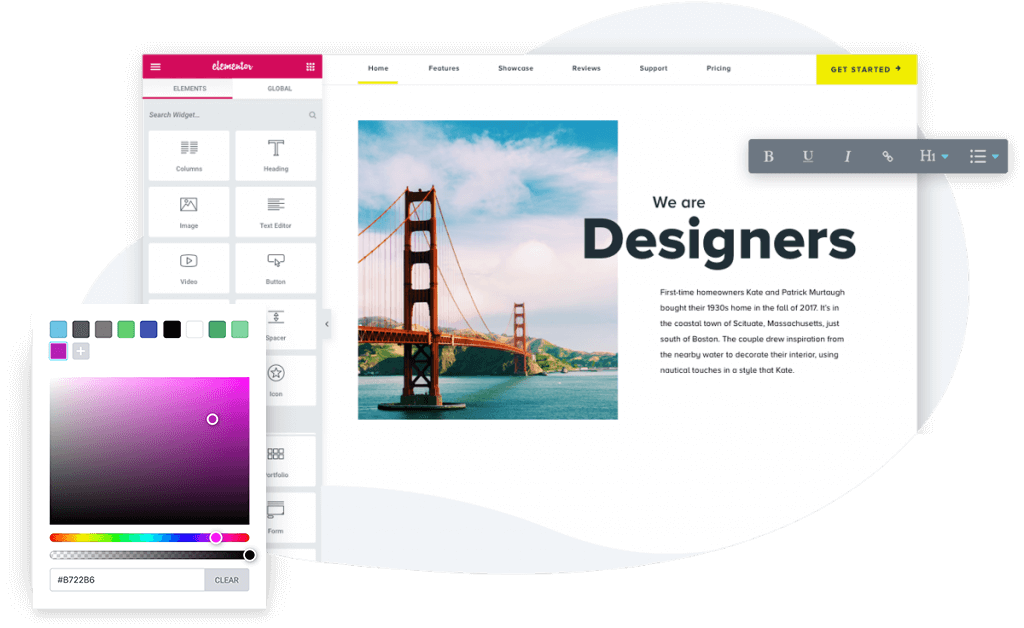
The model’s bottleneck is that it has to be able to work within a given framework. The framework is set up in such a way that it can be used by as many different companies as possible.
To put it simply, a template is like a shop-bought suit. It can look very gorgeous and fit well. But not everyone fits a shop-bought suit, and to get a really good result, you’ll need to alter it. In the process of altering, however, it turns out that you still have to take into account the pre-designed cuts, and it would have been much easier to take the original measurements, choose the material and style, and then sew a personal suit that fits like a glove.
“If you design for everyone, you delight no one.” Alan Cooper
Experience has shown that, for more ambitious ideas and solutions, predefined frameworks often become limiting and constrain potential development.
Secondly, it is easier to further develop a custom webshop – the whole structural design and solution is built from the ground up to serve a specific purpose. In the case of a template page, it is also possible to do some incremental development, but this often proves to be too complex and even more time-consuming and expensive than building from scratch.
Sales orientation
When building a page, it doesn’t matter what you know about your product, it doesn’t matter what you want to say.
What matters is what your customer wants.
Different target customer groups buy differently online and need to be approached differently – they have different interests and skill sets. It’s easy to compare a 65 year old woman and a 23 year old man – the functionality and usability that the young man takes for granted, the woman often doesn’t understand or know how to use. Conversely, an interface that a woman finds convenient is too long, long-winded and awkward for a young man – it’s all in the term.
What is sales orientation?
By taking into account your company branding, target customer, business objectives and selling points, you can build a user experience that is targeted to your target customer. Different target customers have different interests and skill sets.
For example, an older target customer. For them, clearly distinguishable buttons, large texts, so that everything is simple and very logical. It is also important to bear in mind that the screens on older devices may not be as good and the design should use bolder and more contrasting colours to make the web easier to read.
For young people, on the other hand, the mobile version is very important. Interactivity and mobility are keywords. Swiping, double-tapping, zooming, sliding, drag and drop are already ingrained in the muscle memory of the younger generation. There are many ways to create emotion and improve usability.
In addition, different target customers have different product knowledge. Whether your customer knows the product or not – you need to build your web design logic accordingly.
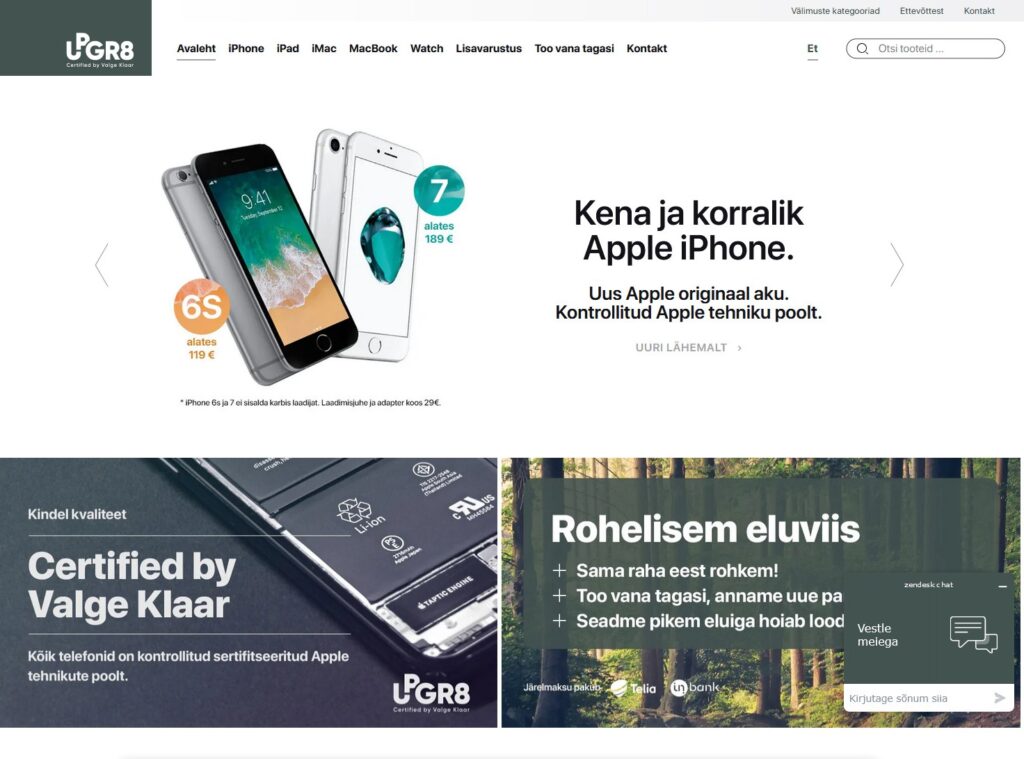
Take, for example, a company selling Apple products https://upgr8.ee. The page does not need to explain what Apple is and what Apple products are. People who visit the site know what an iPhone is and its specifications anyway.
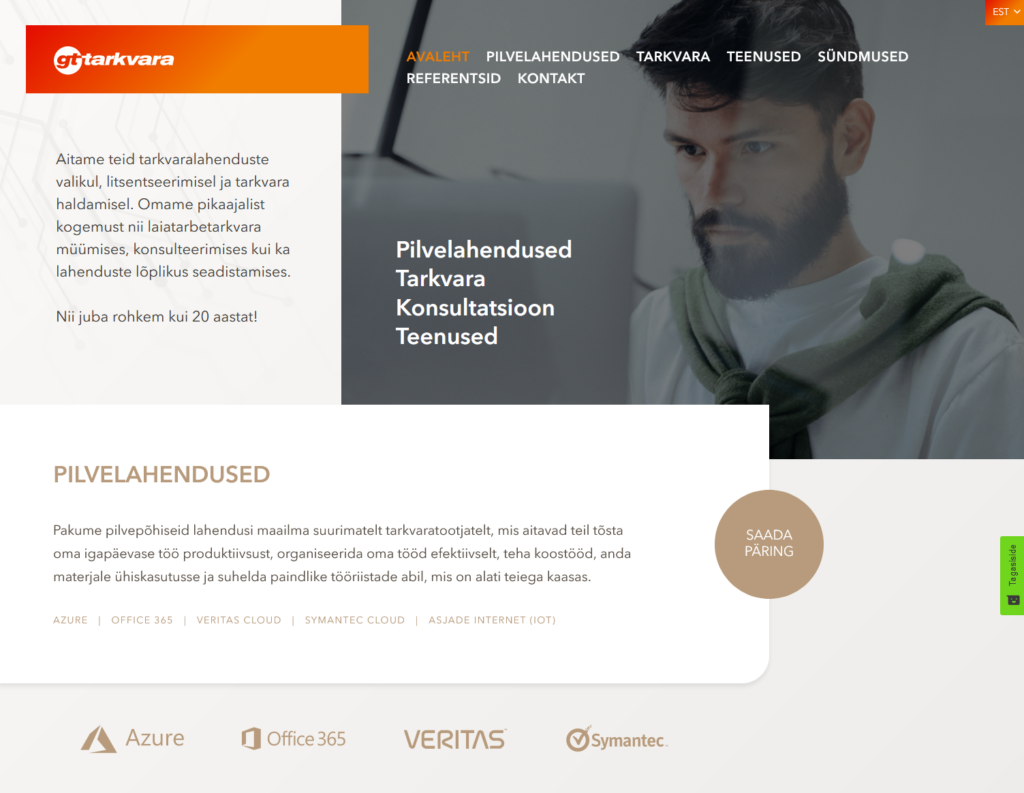
In contrast, the software solutions https://www.gttarkvara.ee/ must immediately explain to the visitor what products and services it offers and what value it creates for its customers.
One of the secrets of a successful e-shop is that it is easy to move up the sales funnel. All the actions leading to the shopping cart or the contact form are simple and all the steps leading out of the cart are there but not highlighted.
For example, unlike in the product listings, it is not recommended to display filtering and categorisation of products in the individual product view, as this will redirect the customer who has made a selection back to the search.
Loading speed
You can have a very beautiful shop, but if it takes too long to load, the customer simply can’t wait for the beauty to open.
When building an e-shop, opt for a custom solution if you have thousands or tens of thousands of products for sale, because a custom solution also considers the optimization possibilities of databases and visuals to make the site fast even with tens of thousands of products.
Links to
Your business has been selling products for some time and you also use financial or production software. Or you are planning to introduce it. In this case, it makes sense to integrate your existing software with a new website. This will make your work easier and more efficient. When and how will interfacing make your work easier? Let’s take a closer look at two situations:
- If your e-shop is backed by manufacturing. For example, you produce furniture and someone orders a sofa. As a standard solution, you get an order form from the web, which you have to review and manually transfer the information into (business management) software, communicate with the customer and set up the details. Only then can production start.
As a custom solution, systems are made to communicate with each other and the human link is removed. Let’s take the example of ordering the same sofa. Let’s say five new orders come in over the weekend, the information automatically goes into the production software, and production starts on Monday. The sales person simply receives a notification that new orders were placed. This option saves time for both parties – there is no need to exchange repetitive information. - If you have both a physical shop and an e-shop active. Let’s take helmets as an example product this time. You have four helmets in stock. A customer comes into the shop and buys three helmets, leaving one helmet in stock. If the standard online shop has no inventory management and the web still displays four helmets, you may have a situation where you have sold more products in a long delivery time than the stock allows you to ship. With an automated interface, the inventory is updated regularly and the problem does not occur.
Interfacing connects the different environments of your business into a cohesive whole, where business software is at the centre and the online shop is not a separate entity, but becomes a team member.
In short, if your online shop needs an interface, find a developer or web agency that can interface your website with business or production software. An interface can also be added to a template page.
Governance
Template pages often have content editing hidden behind different menus, written directly in a place read only by the programmer, or editable only by changing the structure of the whole page. Finding the right place can be impossible and/or frustrating.
For e-shops and homepages made as a standalone solution, content changes can be made easier and more convenient. A website is easy to manage, even for someone who is new to the web.
If you’re still not sure whether to choose a template or a custom solution, contact us and we’ll help you figure it out!
